MANAGE
Organize footage, audio, and project files.
▼
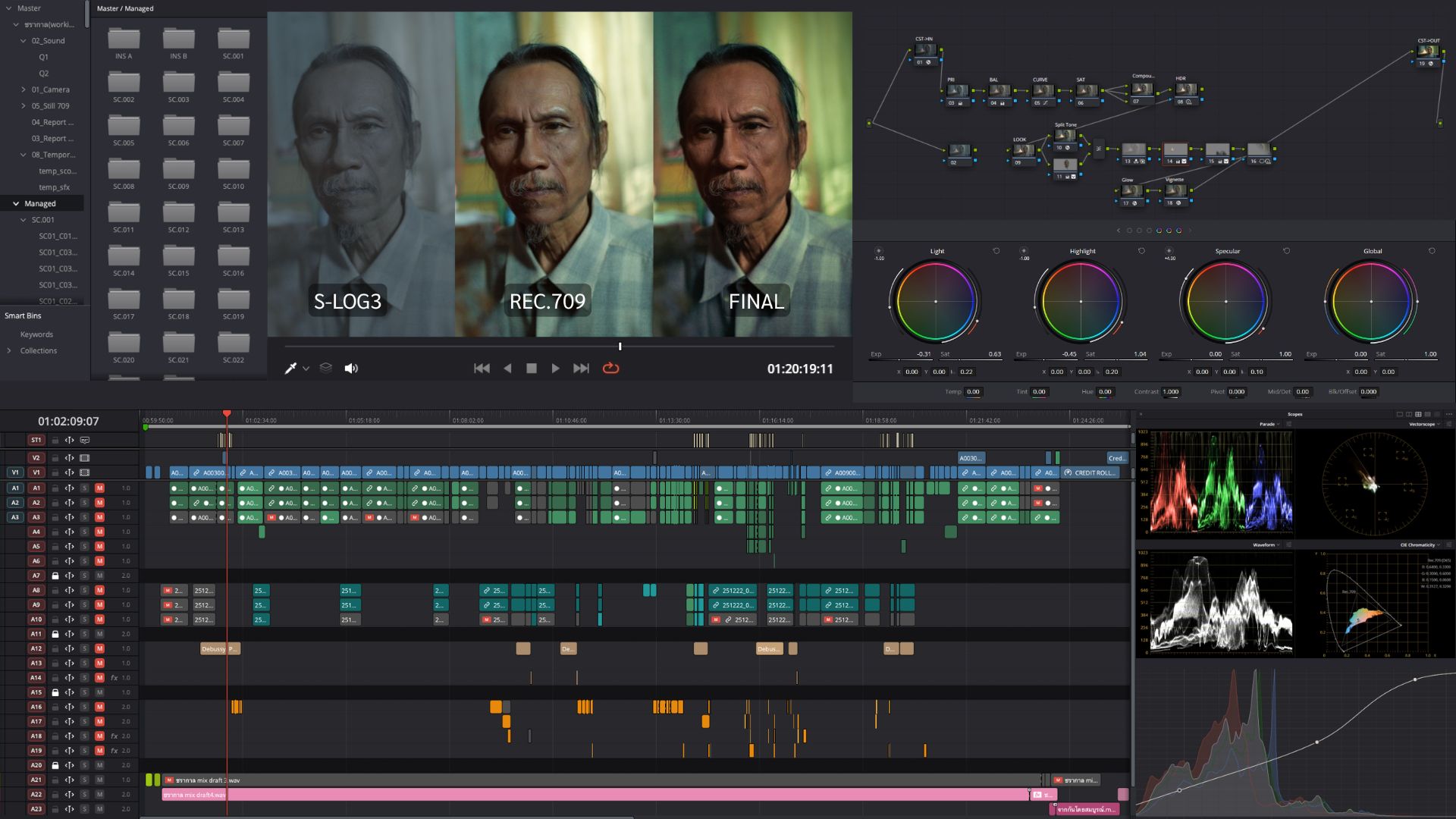
Every project begins with understanding its goals, vision, and creative direction before moving into production. This process helps ensure that every piece is crafted with purpose and delivered at its highest potential.
Most projects follow the workflow below, although certain stages may be added, removed, or adapted depending on the project's requirements.
Organize footage, audio, and project files.
Every project begins with a clean and well-structured workspace. Organizing footage, audio, graphics, project files and proxies from the start creates a more efficient editing process, minimizes errors, and makes collaboration, revisions, and future access much easier.
Before editing begins, every file is backed up, organized into a consistent folder structure, and prepared for a smooth editing workflow.
Reviewing and selecting the strongest material.
"Understanding every piece of footage is
the first step toward discovering
the possibilities of a work."
Before editing begins, every clip is carefully reviewed
and compared to evaluate both its technical quality
and creative value. Only the most suitable material
moves forward into the timeline.
Every recorded clip.
Good take and optional message.
The strongest take chosen for editing.
Prepared for the first assembly edit.
Shaping rhythm, emotion, and storytelling.
Editing is more than arranging clips in sequence. It's the process of refining pacing, emotion, and narrative until every scene feels natural, purposeful, and connected.
*The editing workflow may vary depending on the scope and requirements of each project.*
Arranging the selected footage according to the planned project outline.
Adjust pacing, and establish the narrative flow.
Refine timing, transitions, rhythm, and emotional continuity.
Lock the edit before sound design and color grading begin.
Refine dialogue, ambience, music and effects.
Sound is just as important as the visuals. Dialogue, ambience, music, and sound effects all work together to create a richer viewing experience. Each element is carefully balanced to support the story without distracting from it.
Balance exposure, contrast, and create the final look.
Color plays a vital role in shaping the mood, emotion, and visual identity of a project while enhancing its overall quality and professionalism.
The process begins with accurate technical color management, followed by balancing exposure, contrast, and color before crafting a distinctive visual look that supports the story and makes every frame feel alive.
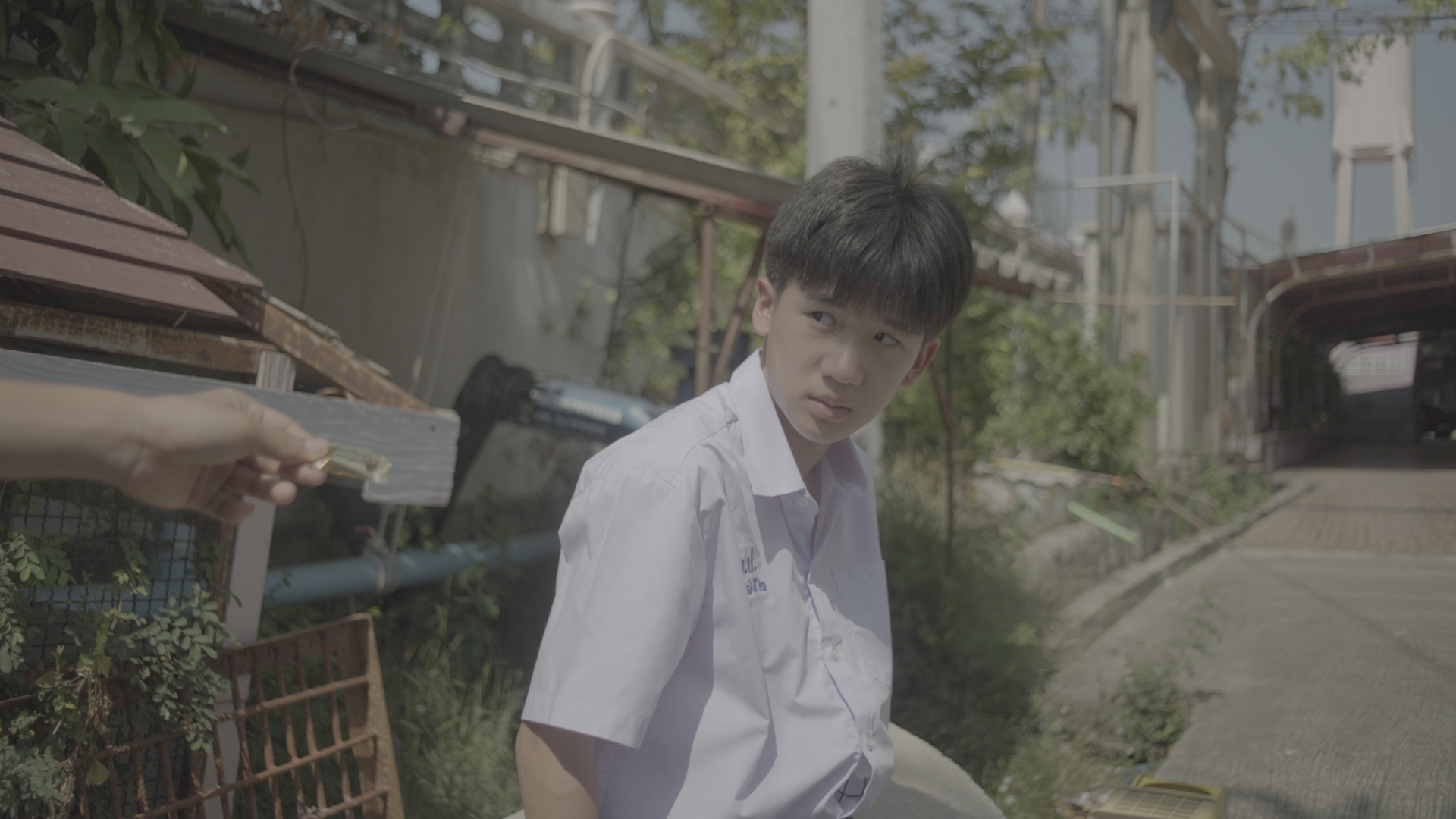
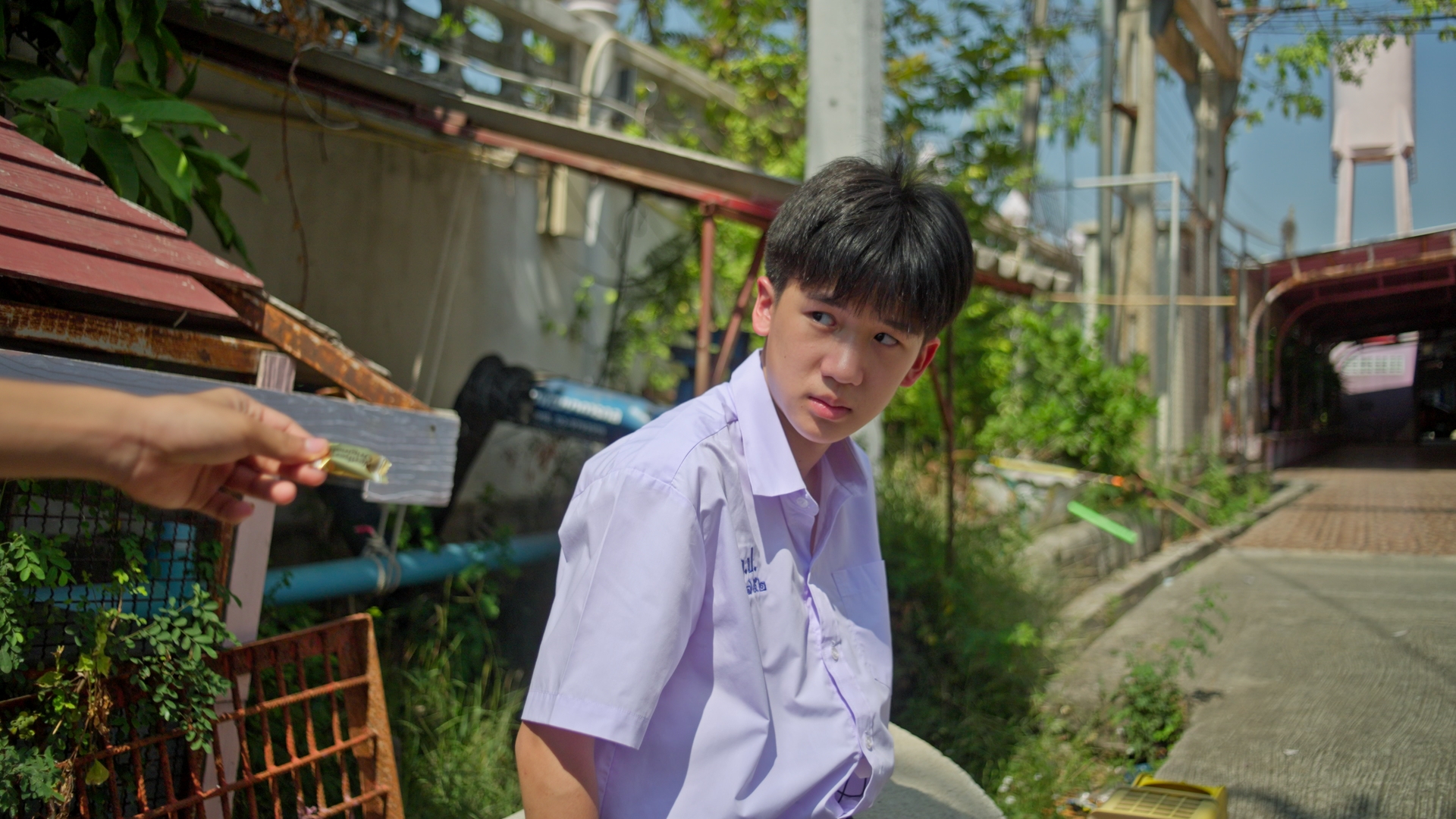
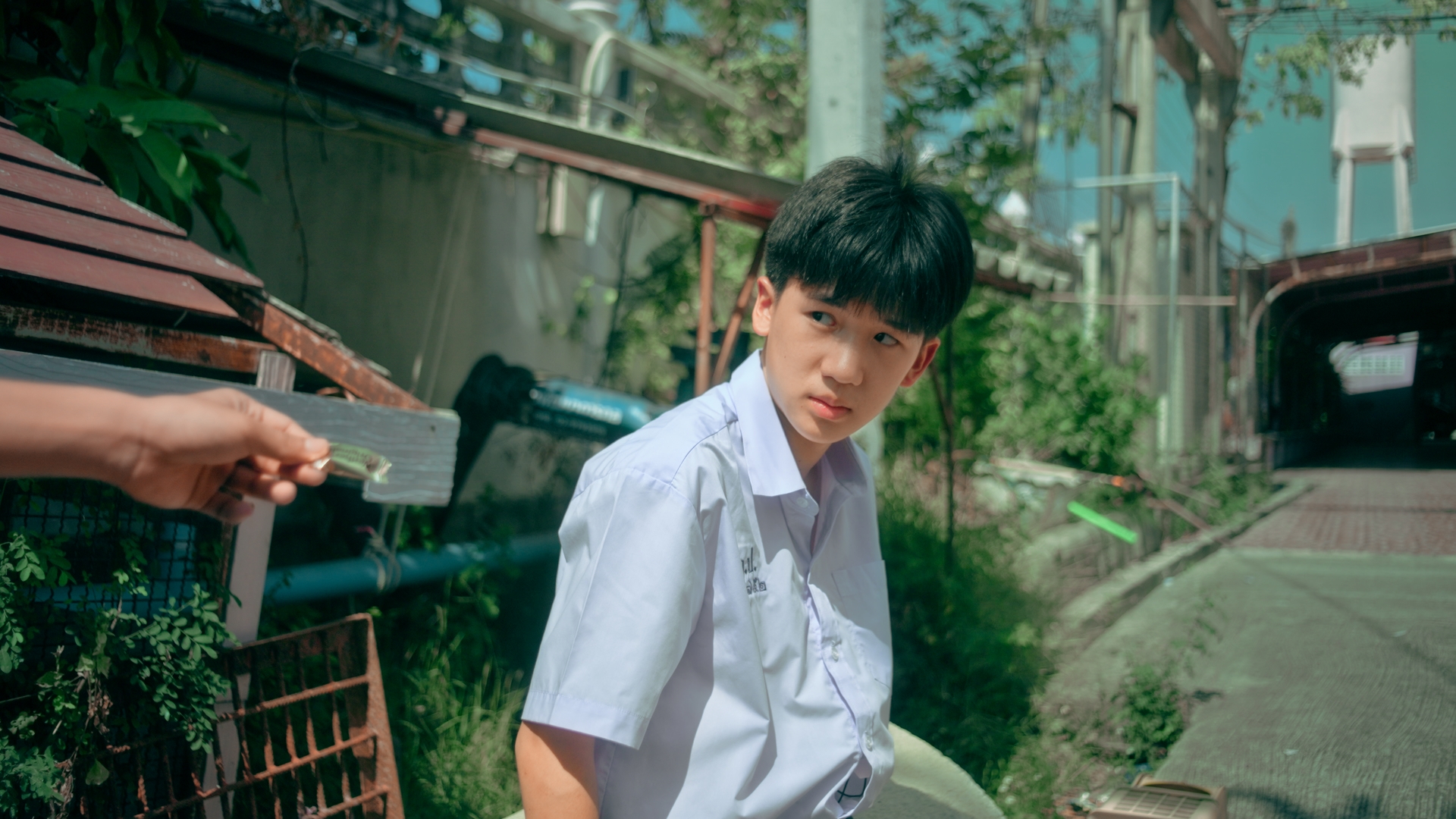
Drag the divider to compare the original image with the final graded result.

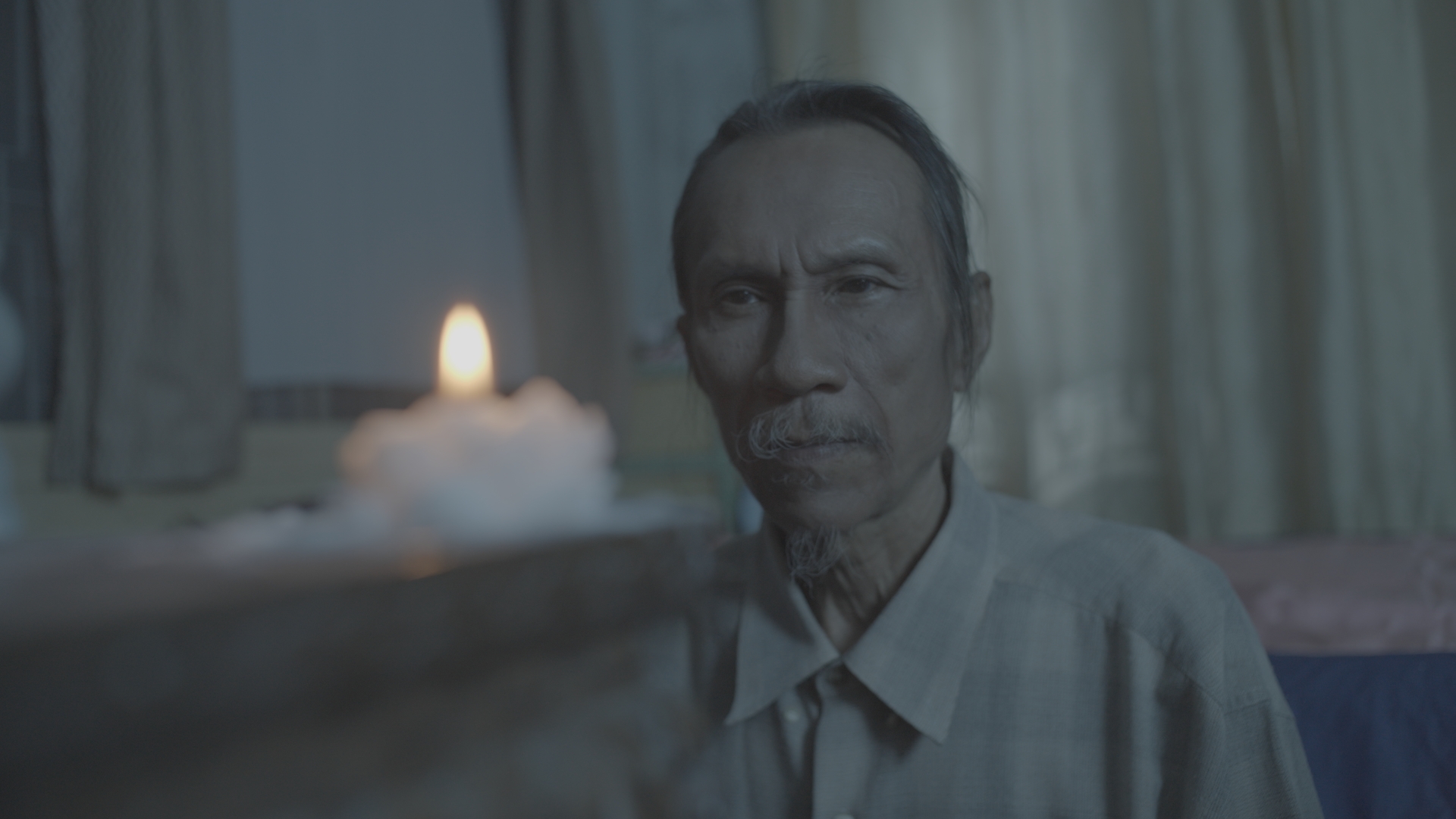
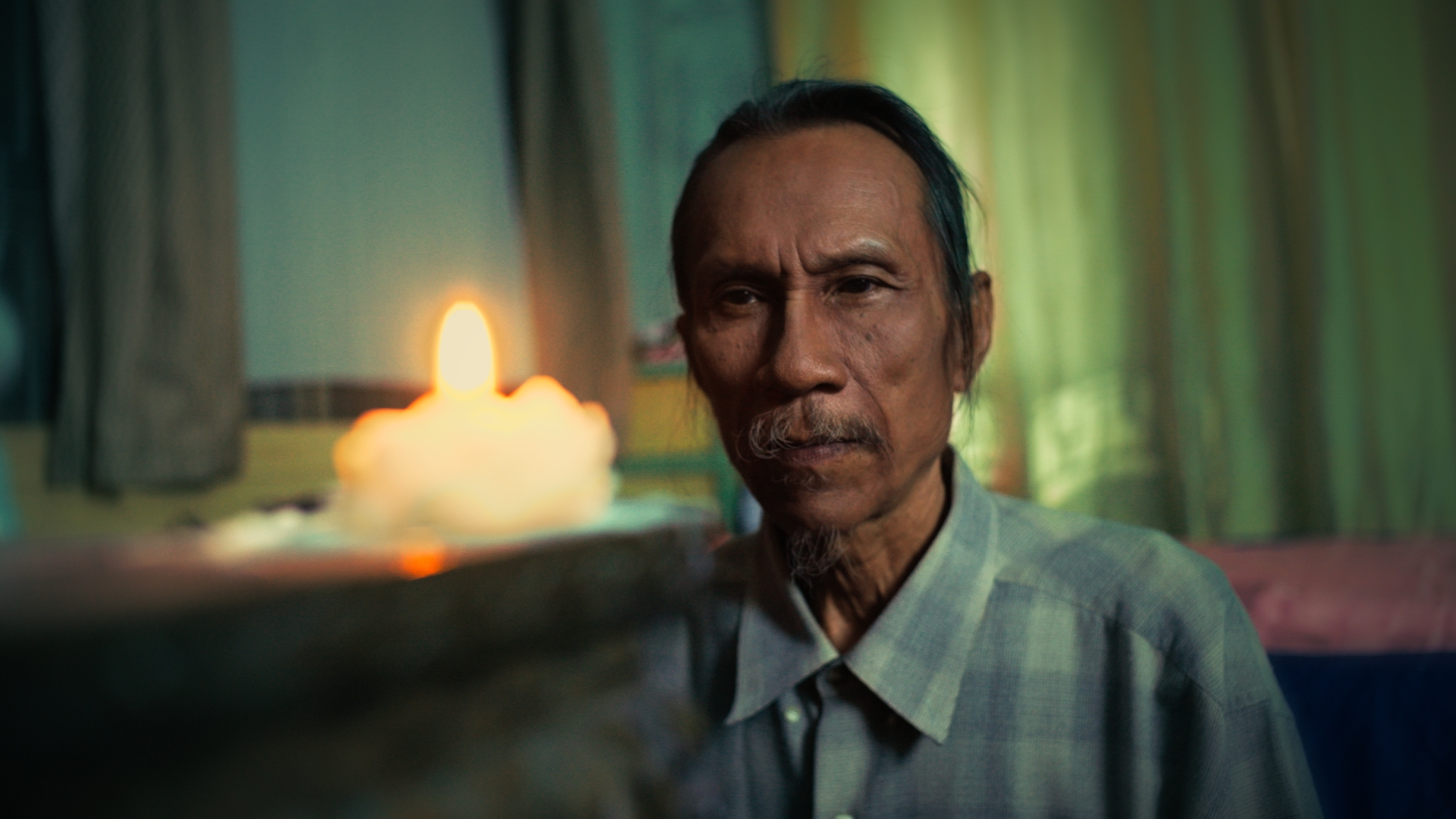

"Color should never overpower the story, color should help it breathe."

A selected color grading breakdown clip for the project Where Autumn Lingers.
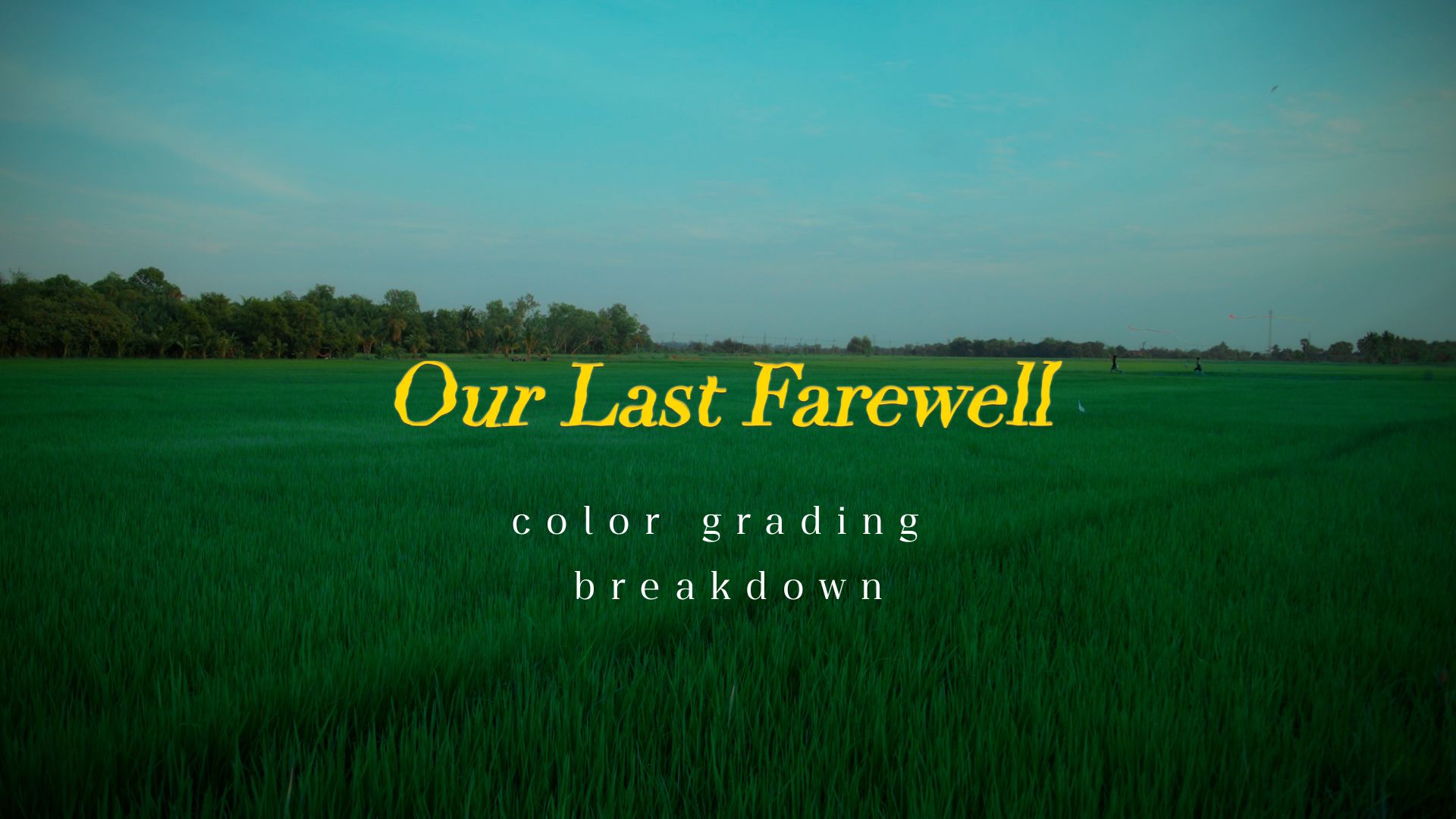
An assemble color grading breakdown clip for the project
Our Last Farewell.
*PS. This is the old version
of the grade for Our Last Farewell, some of them might be
different with the present one.*
Quality check, export, and final delivery.
Exporting is just as important as every stage before. Choosing the appropriate file format, codec, and export settings ensures the final deliverable meets the technical requirements while preserving the best possible image and audio quality for its intended use.
Behind every finished frame is a process of collaboration, preparation, and countless creative decisions.
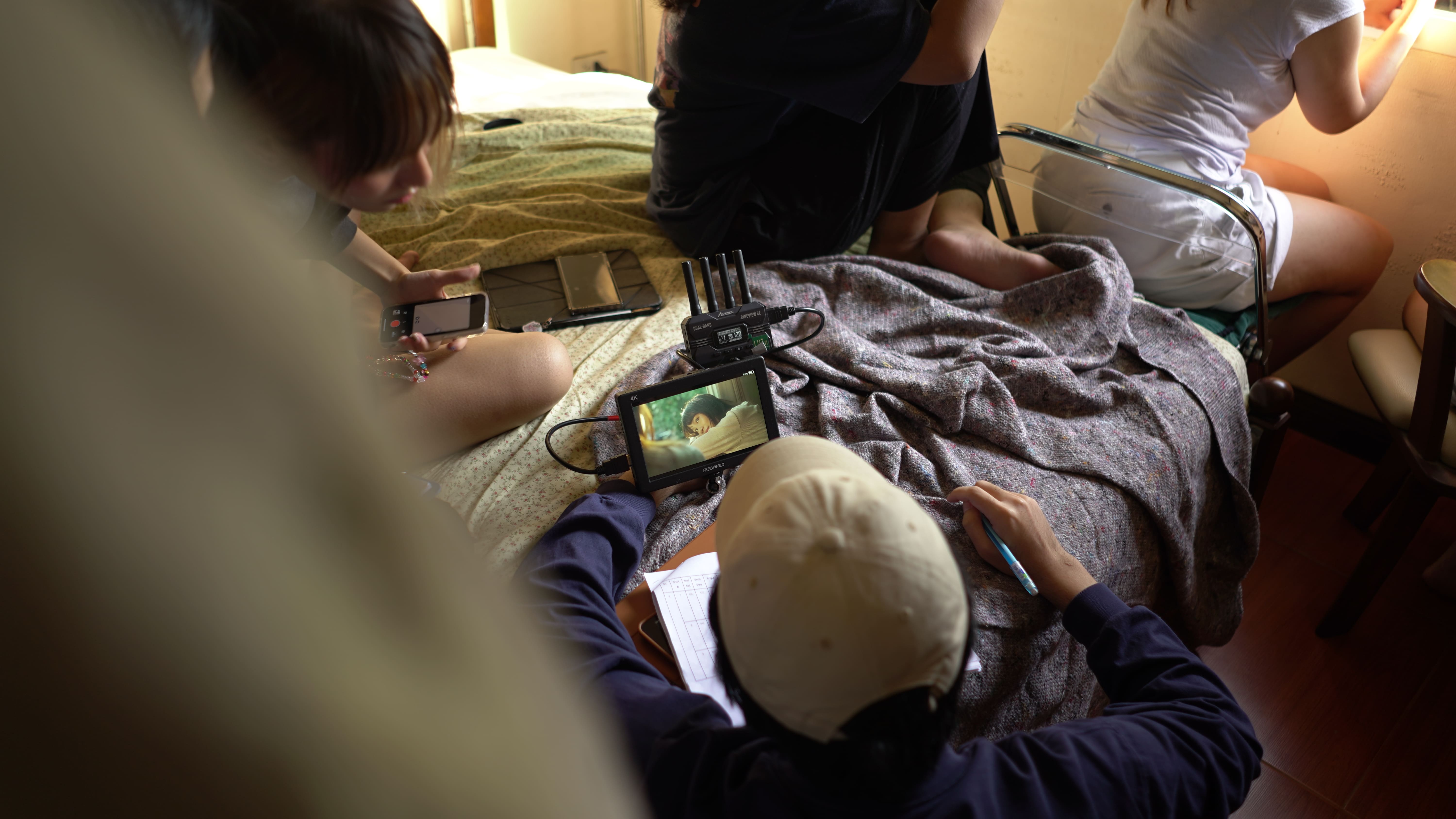
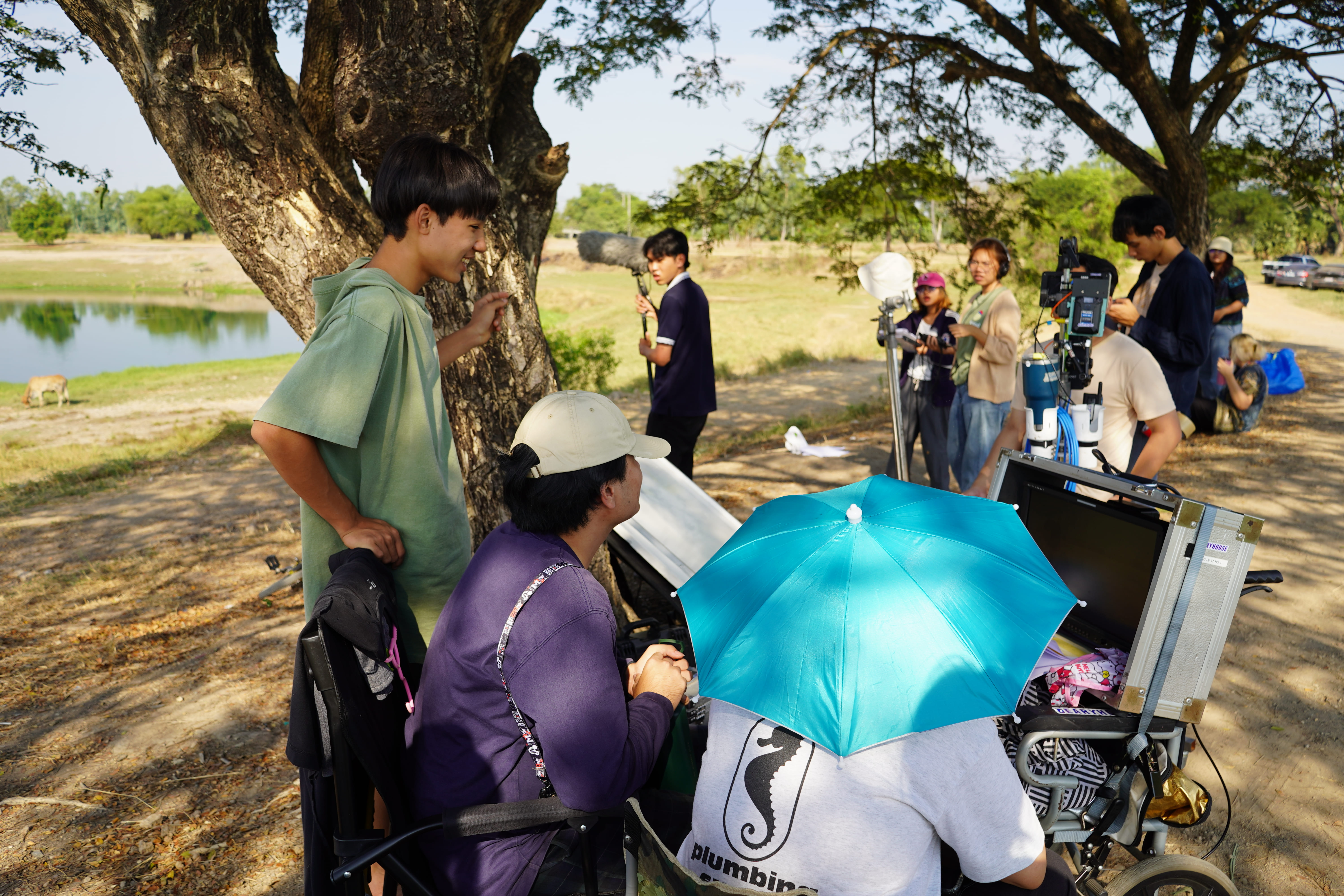
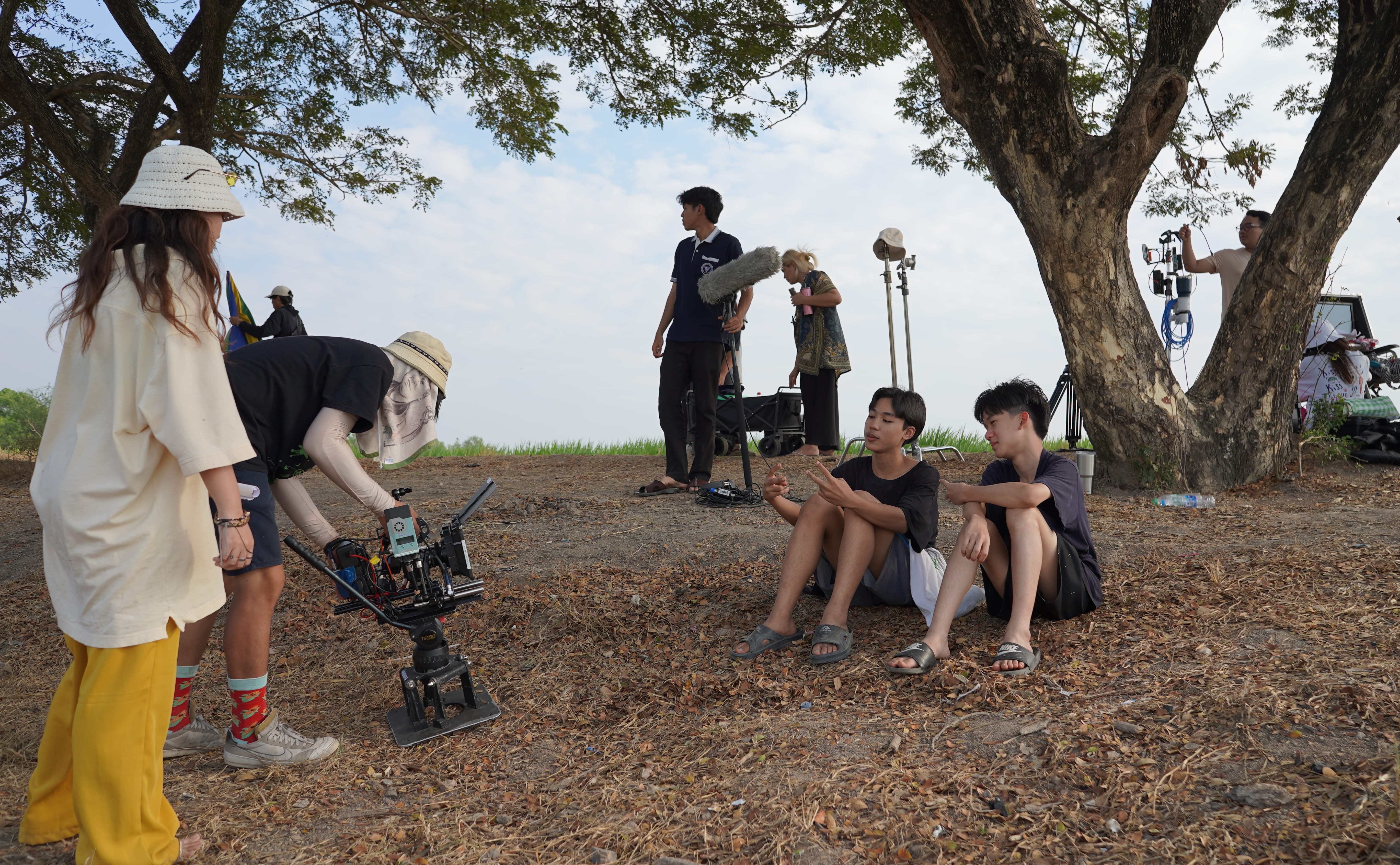

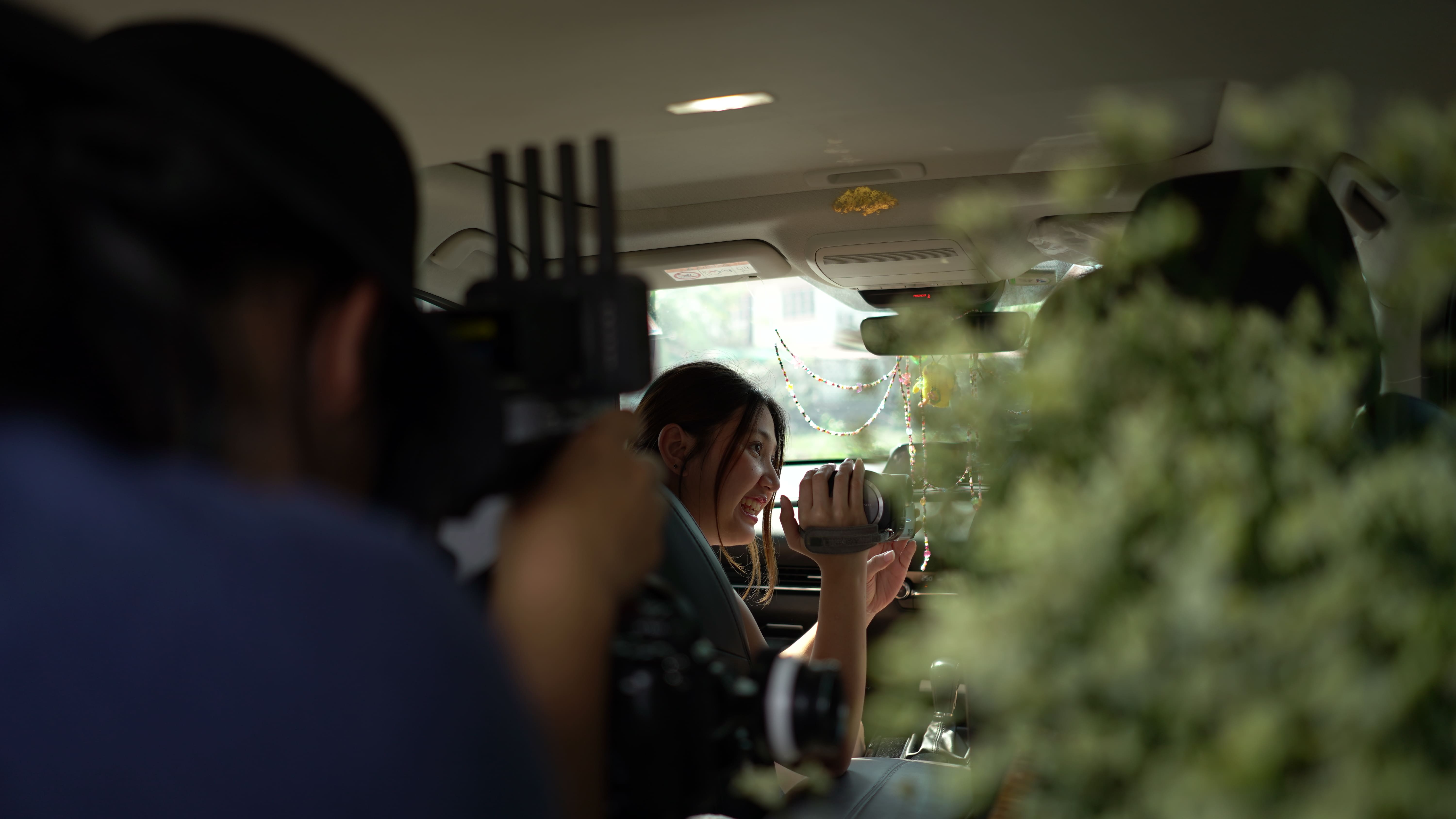
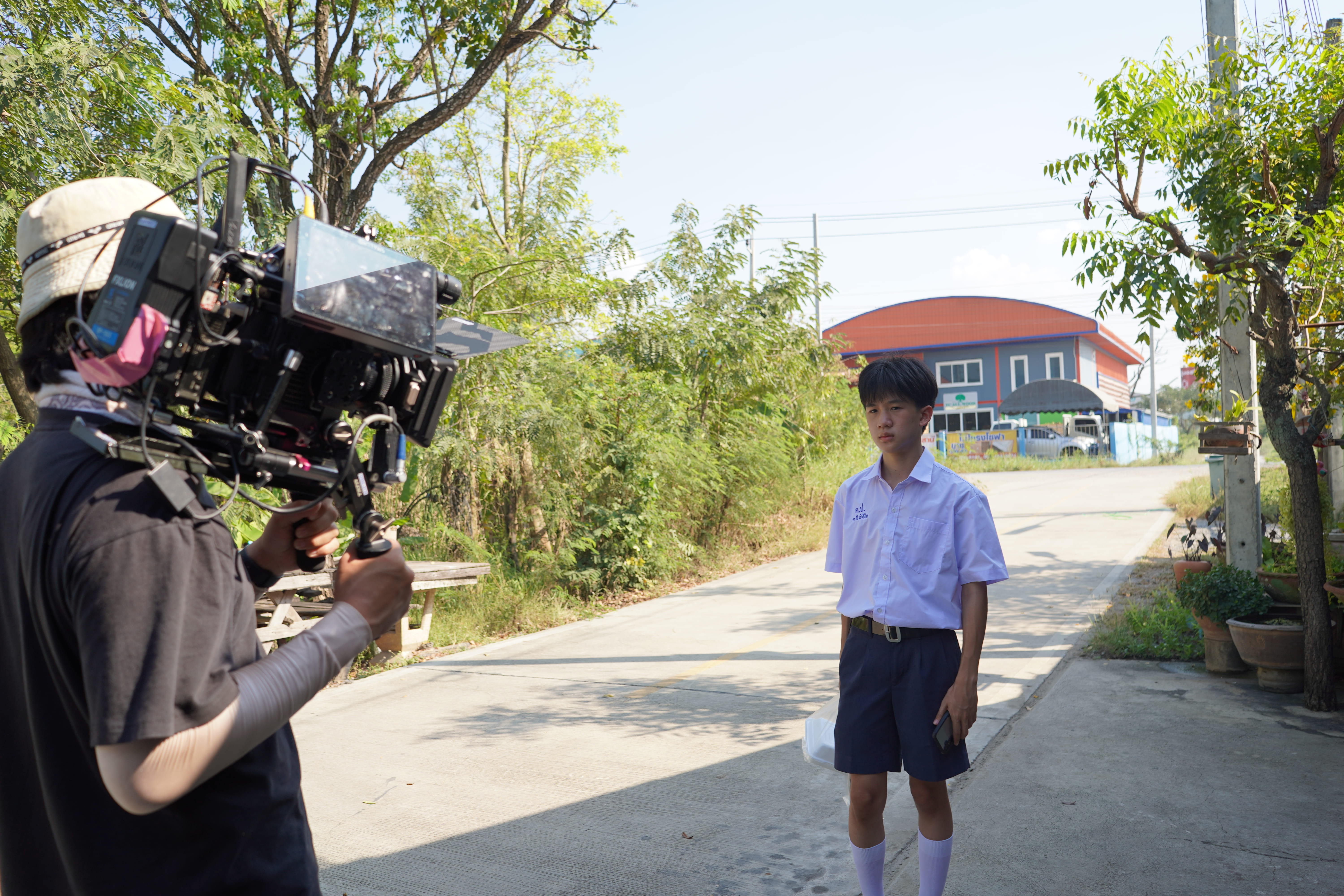

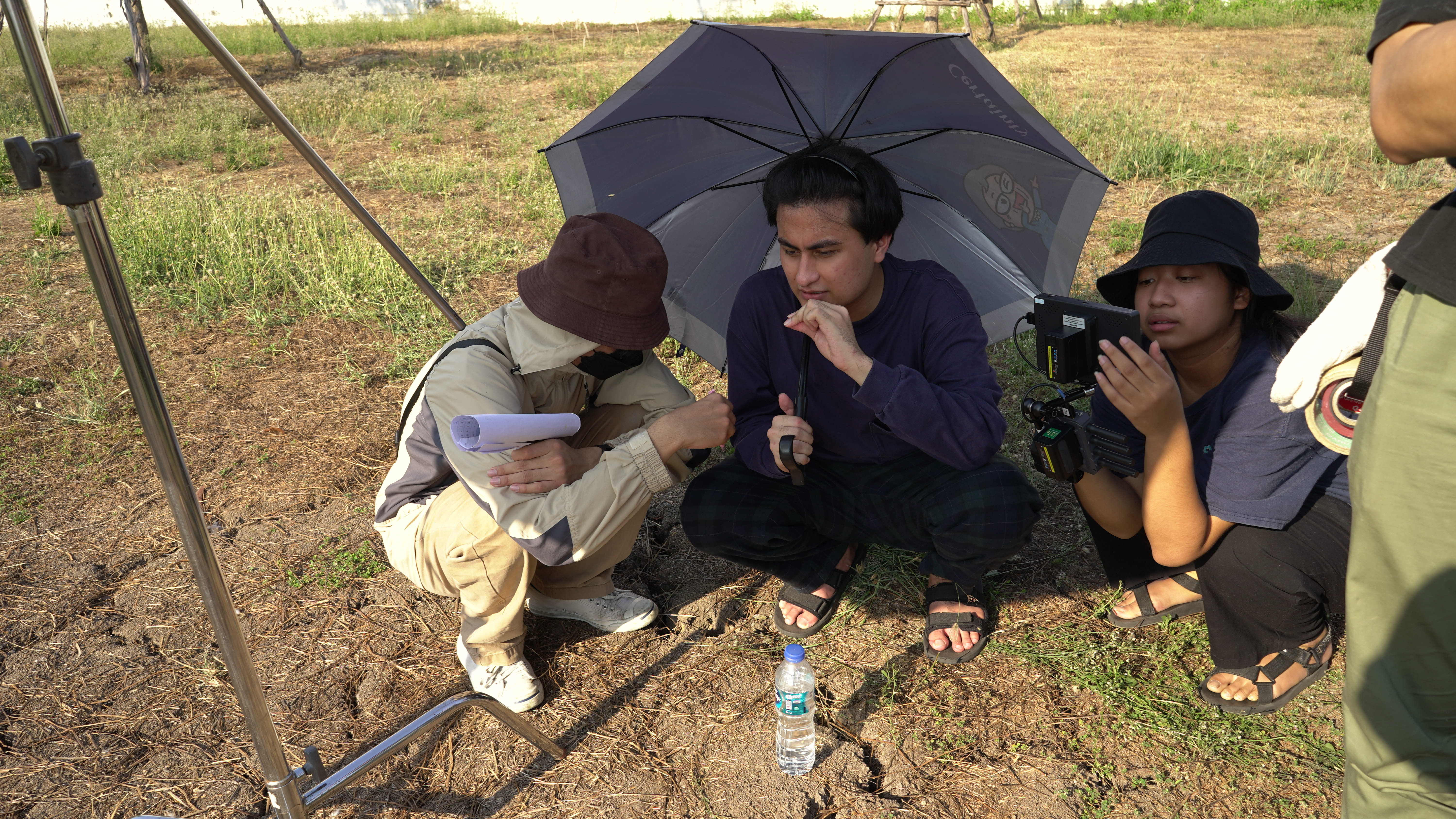
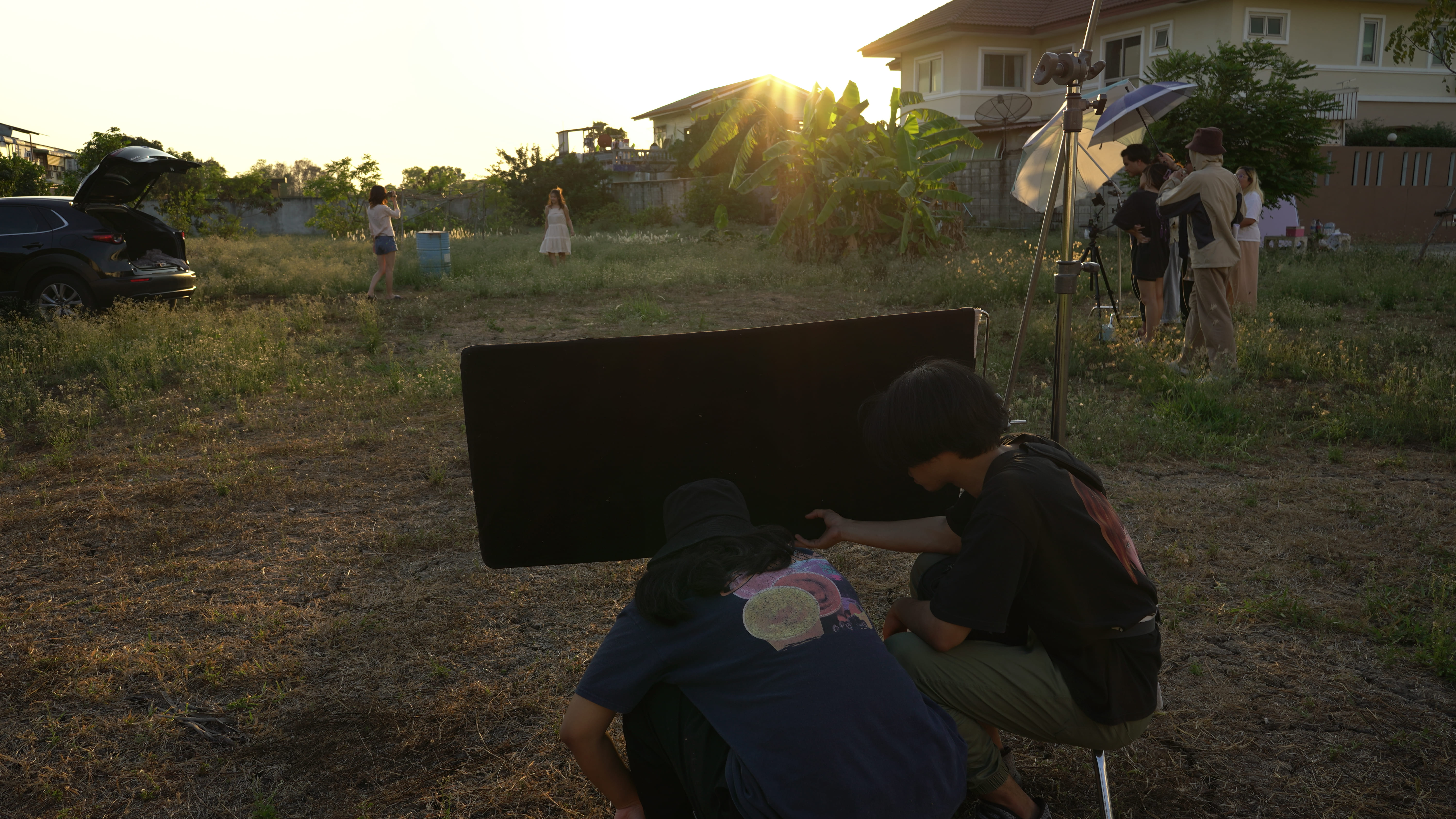
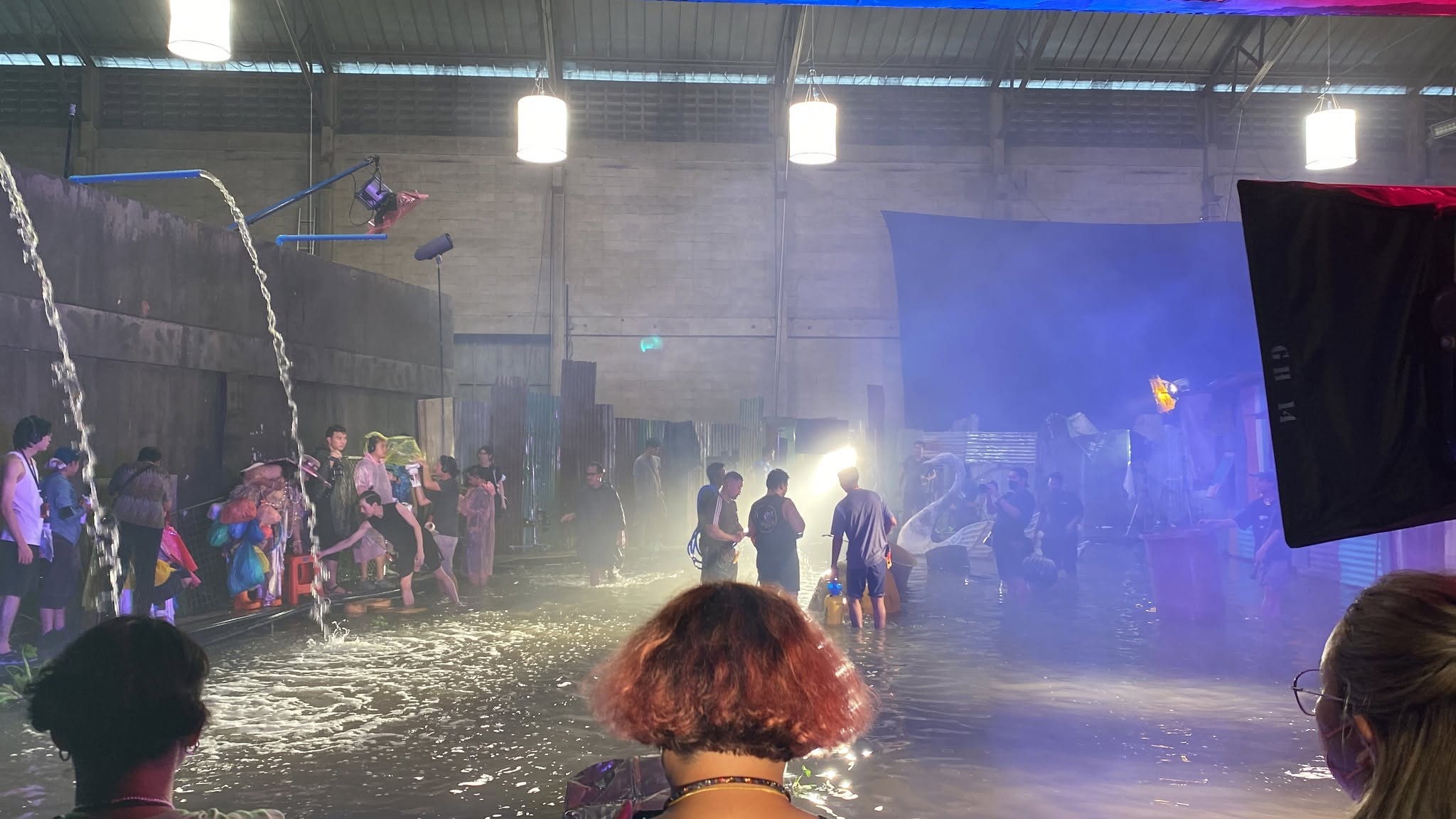
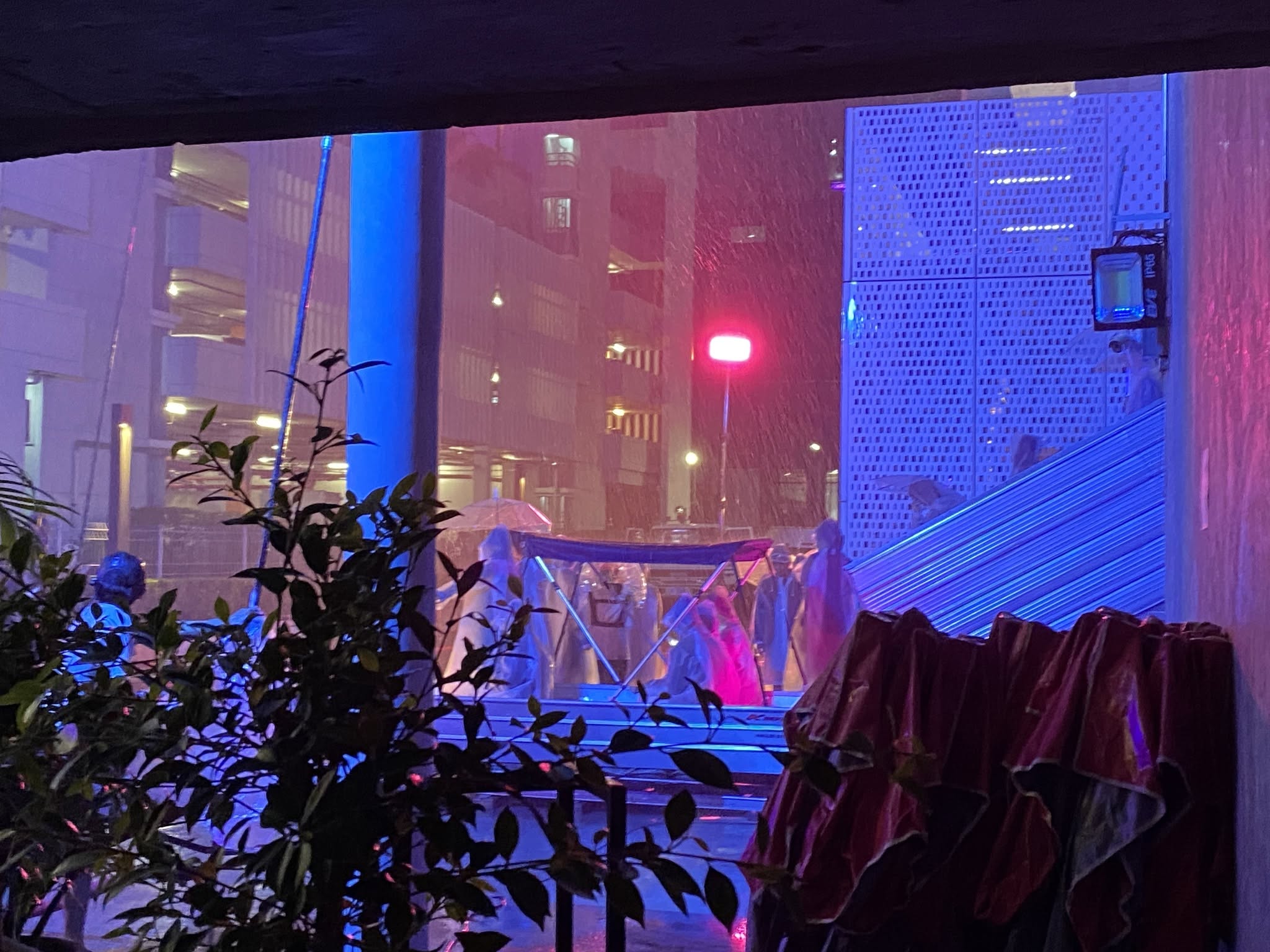
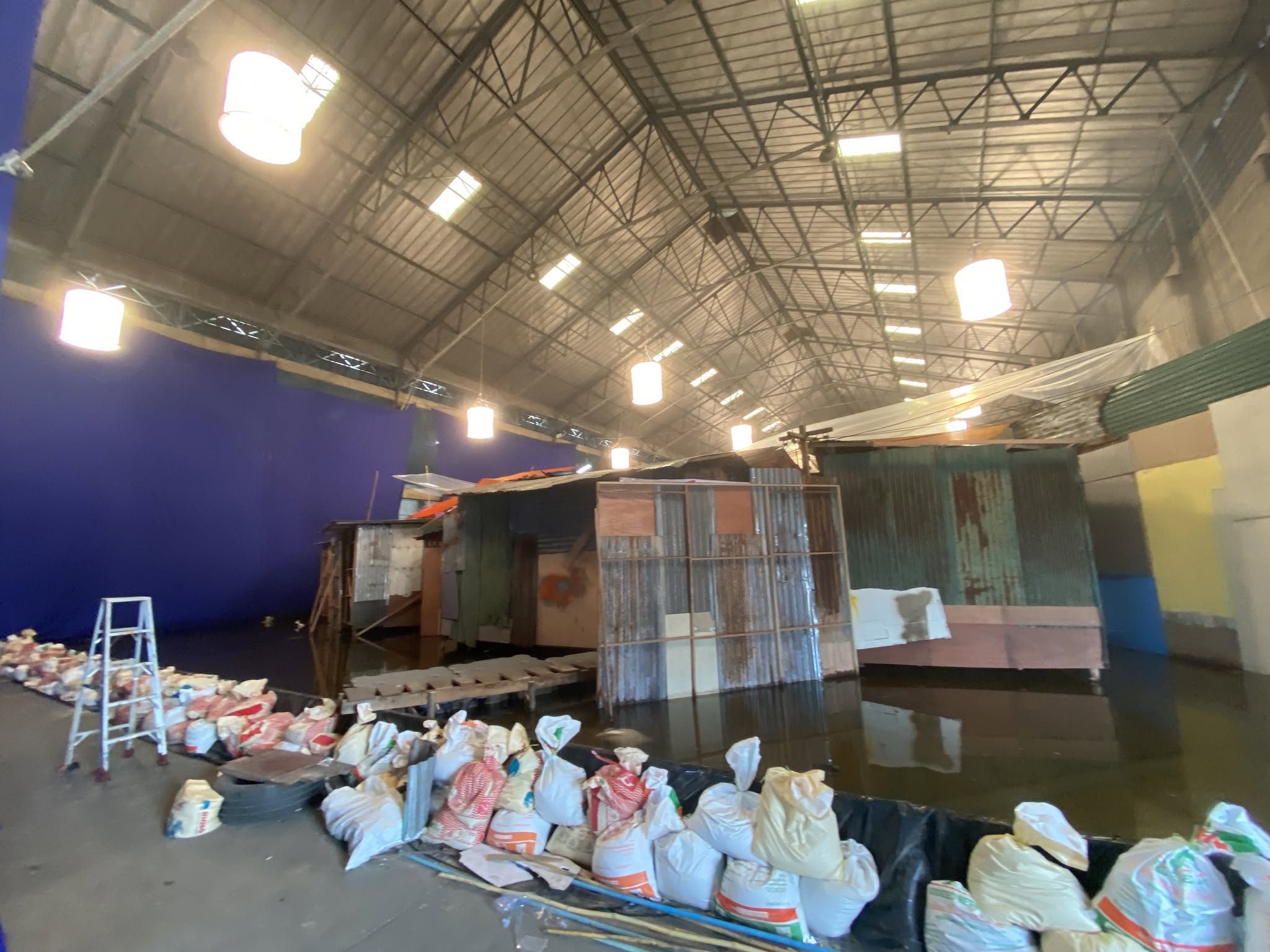
A selection of behind-the-scenes moments from past productions, capturing collaboration, preparation, and the problem-solving that takes place on set.
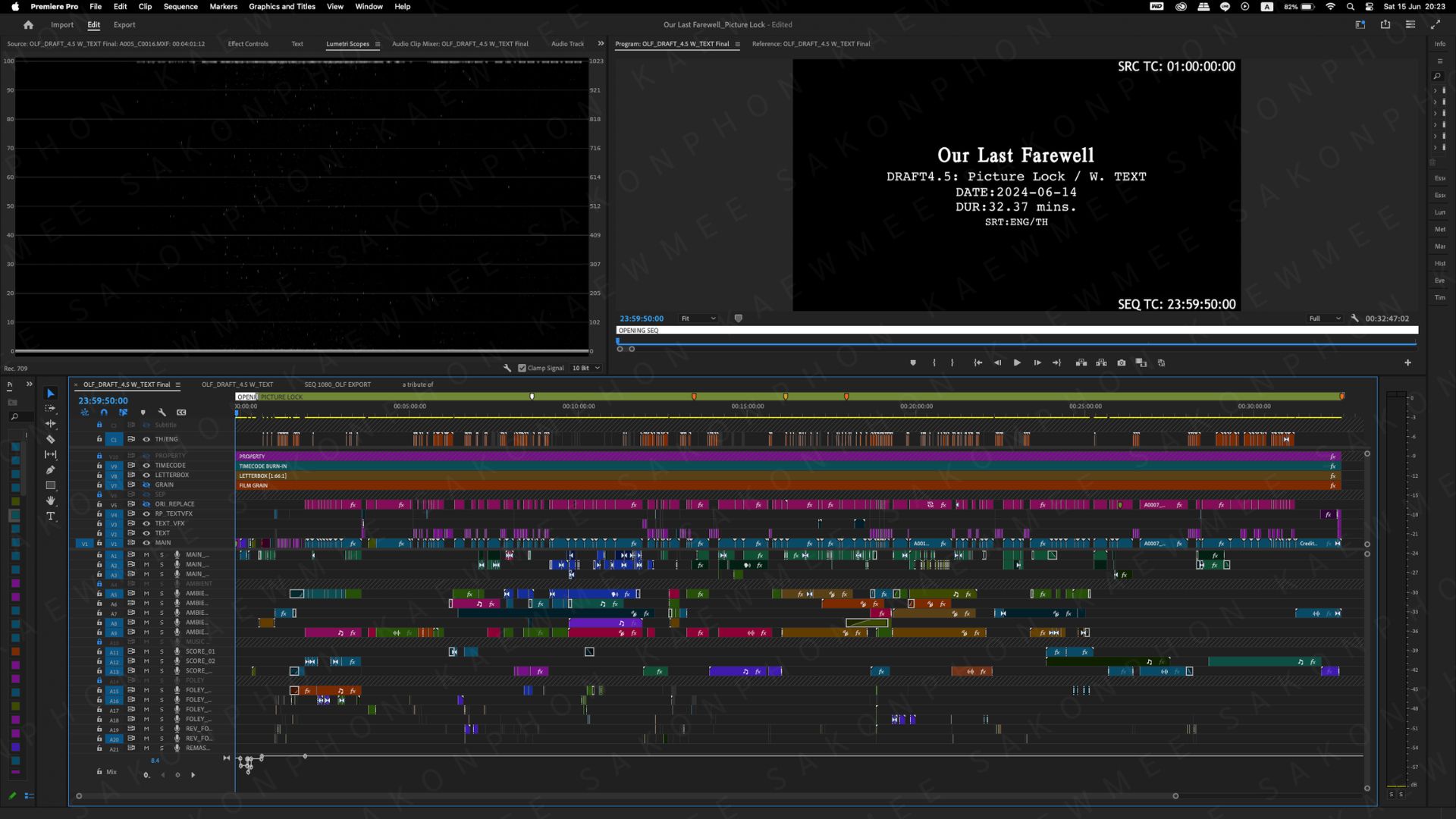
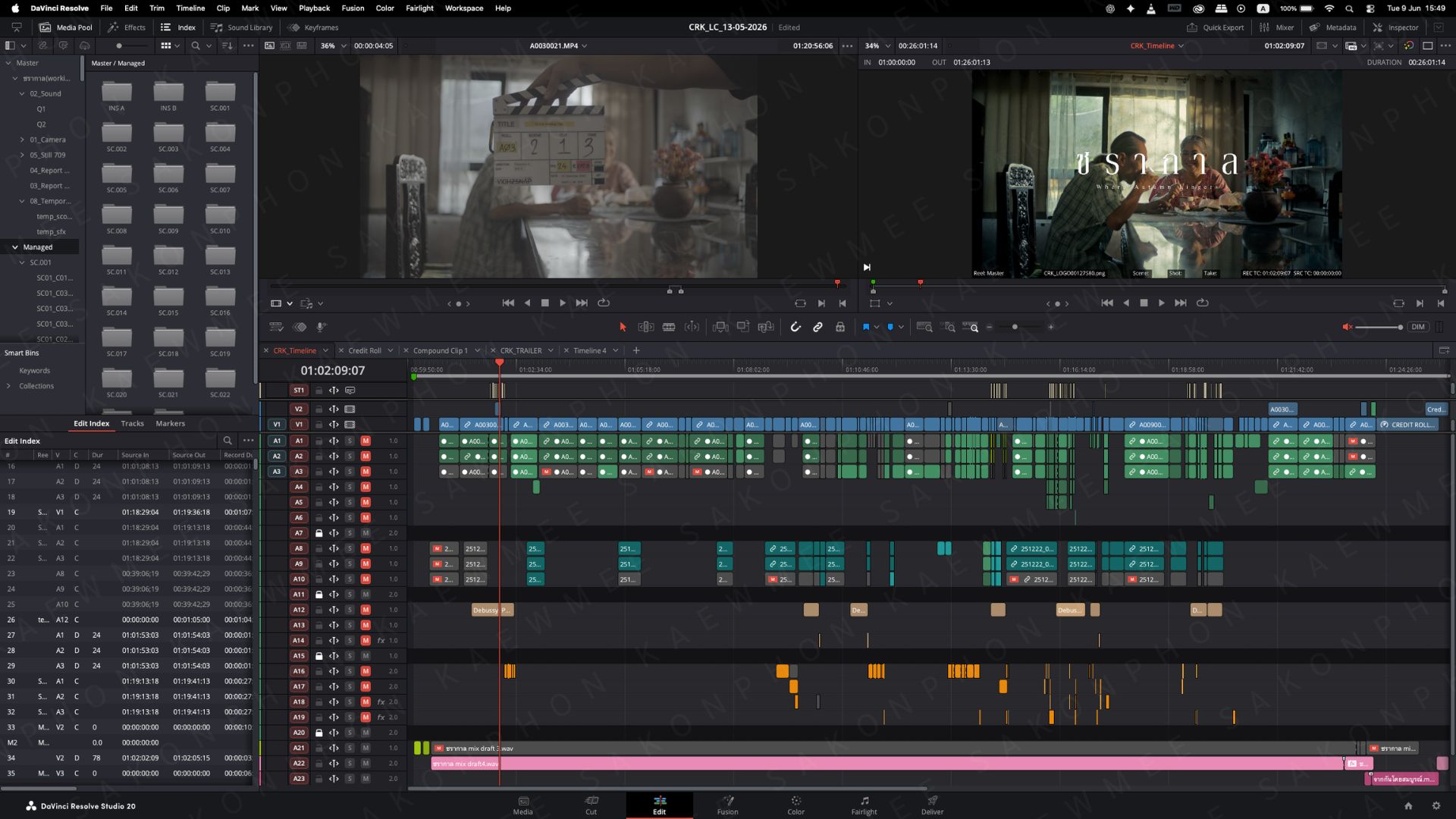
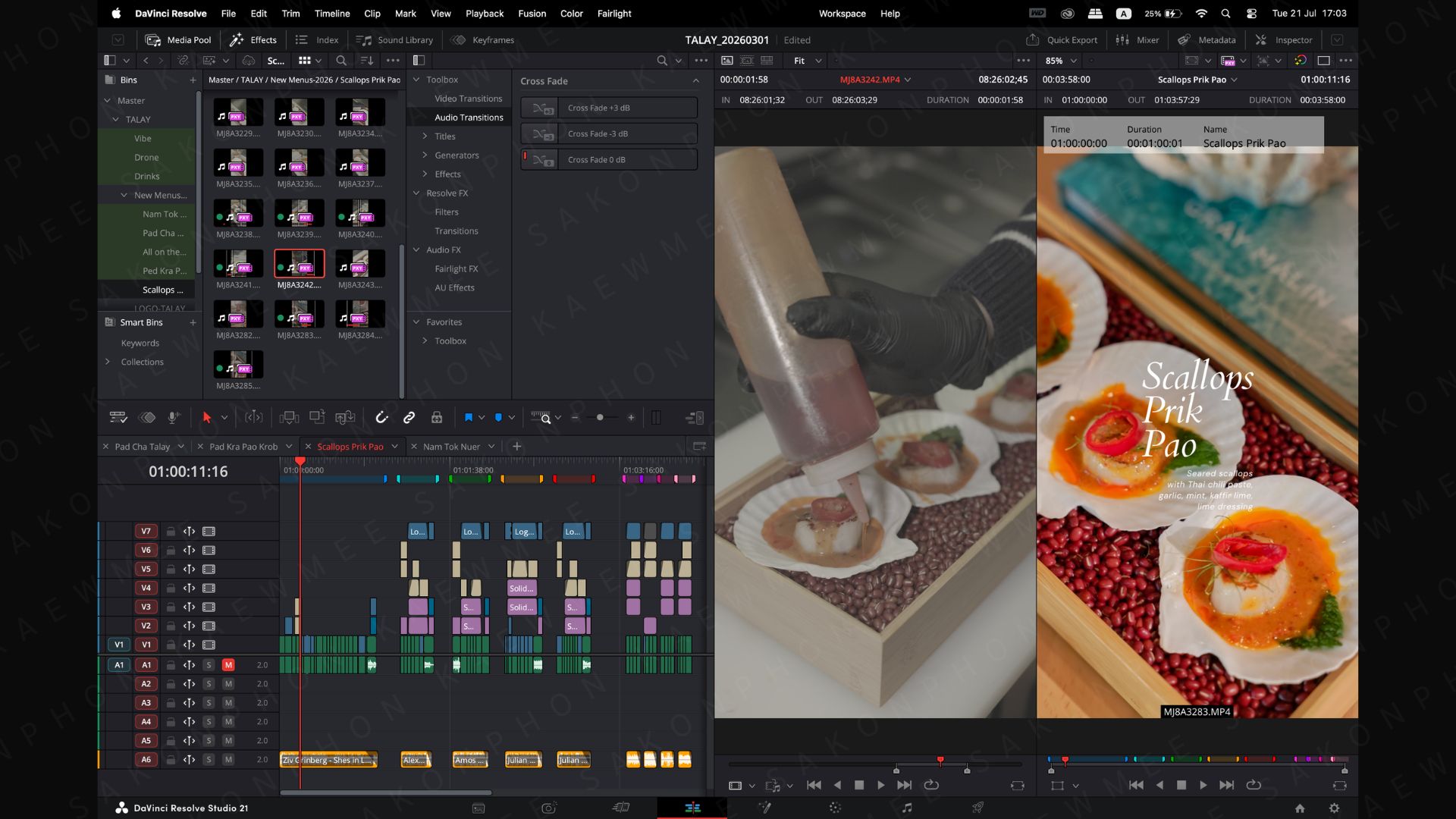
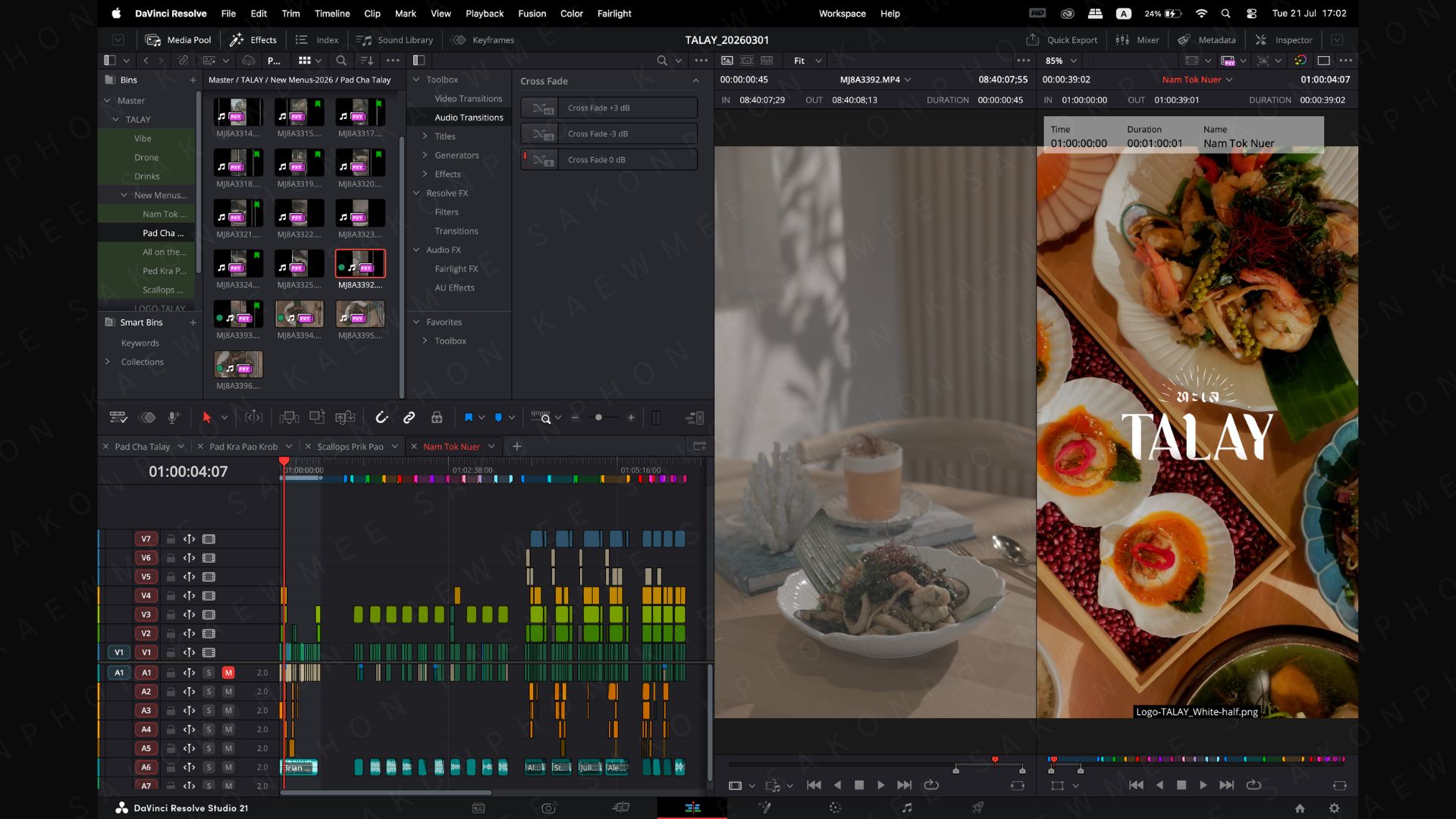
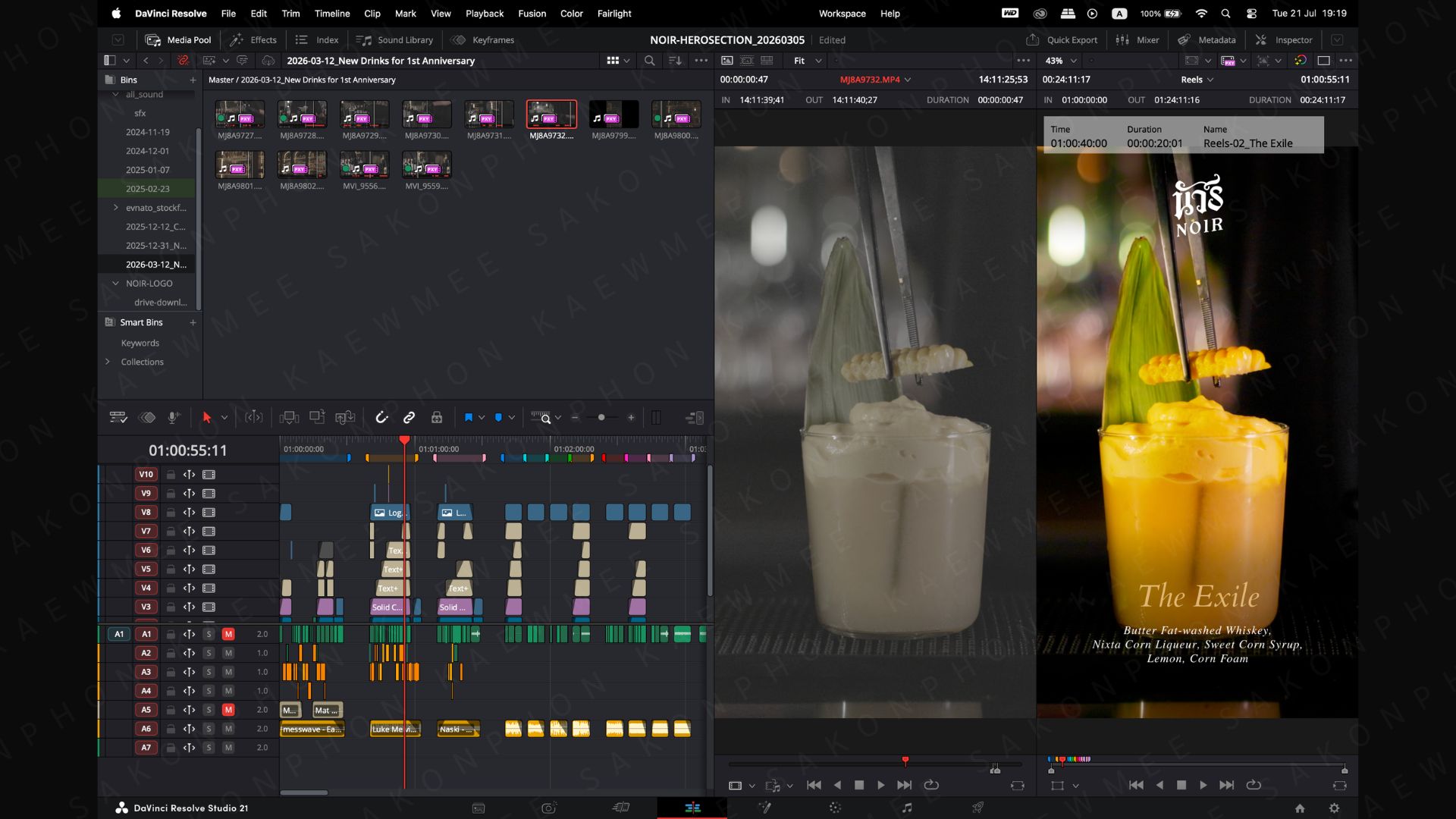
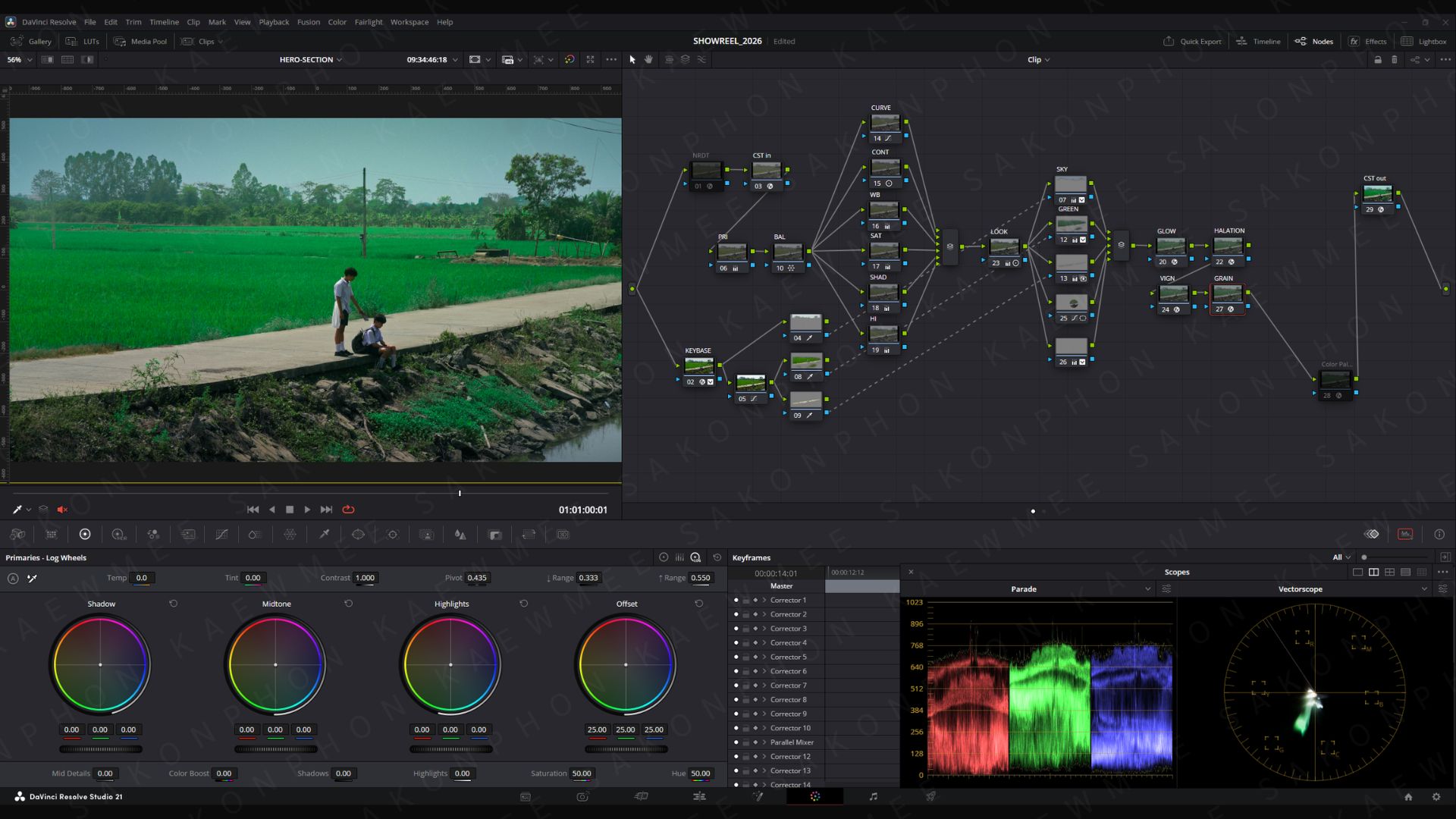
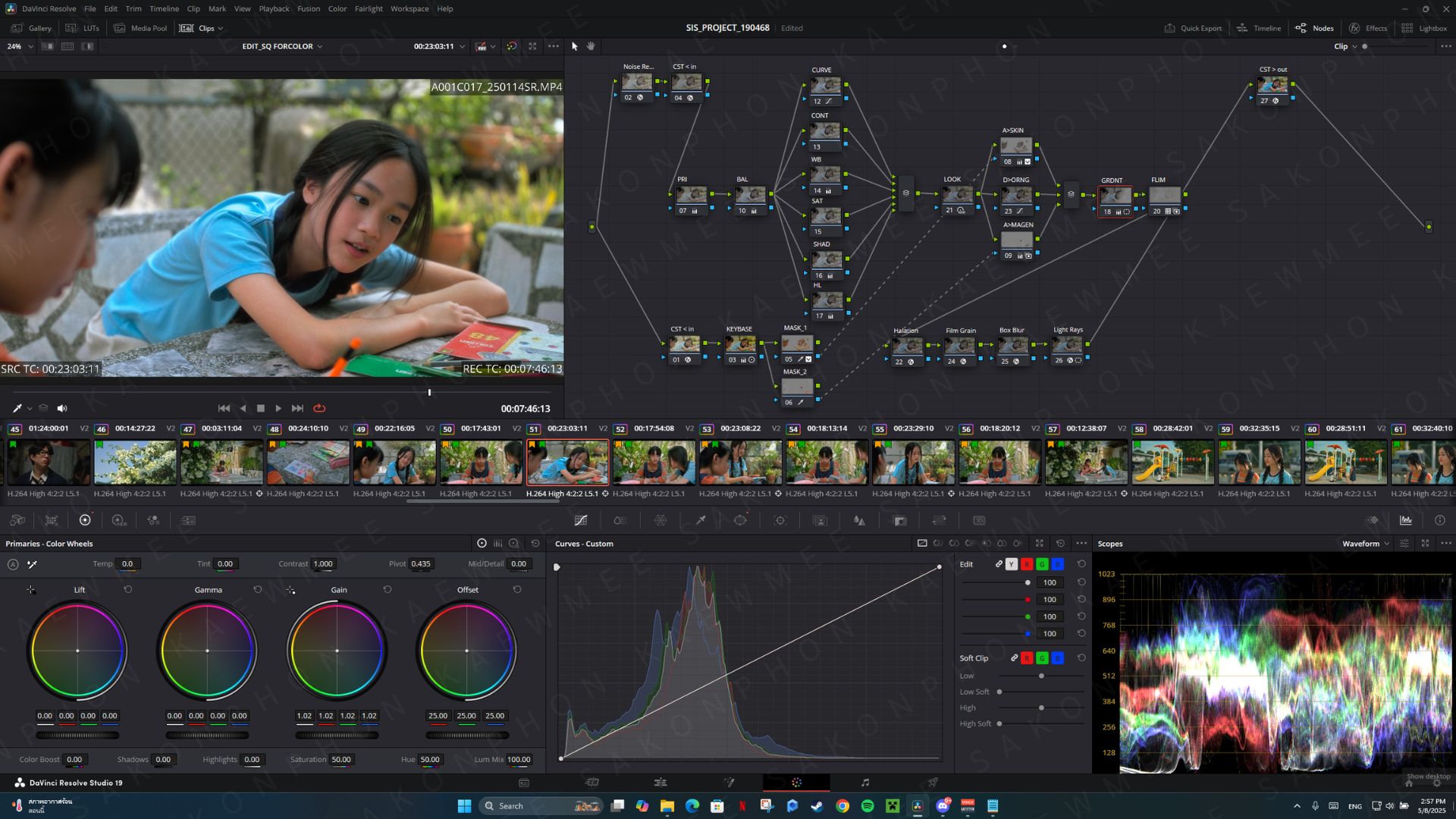
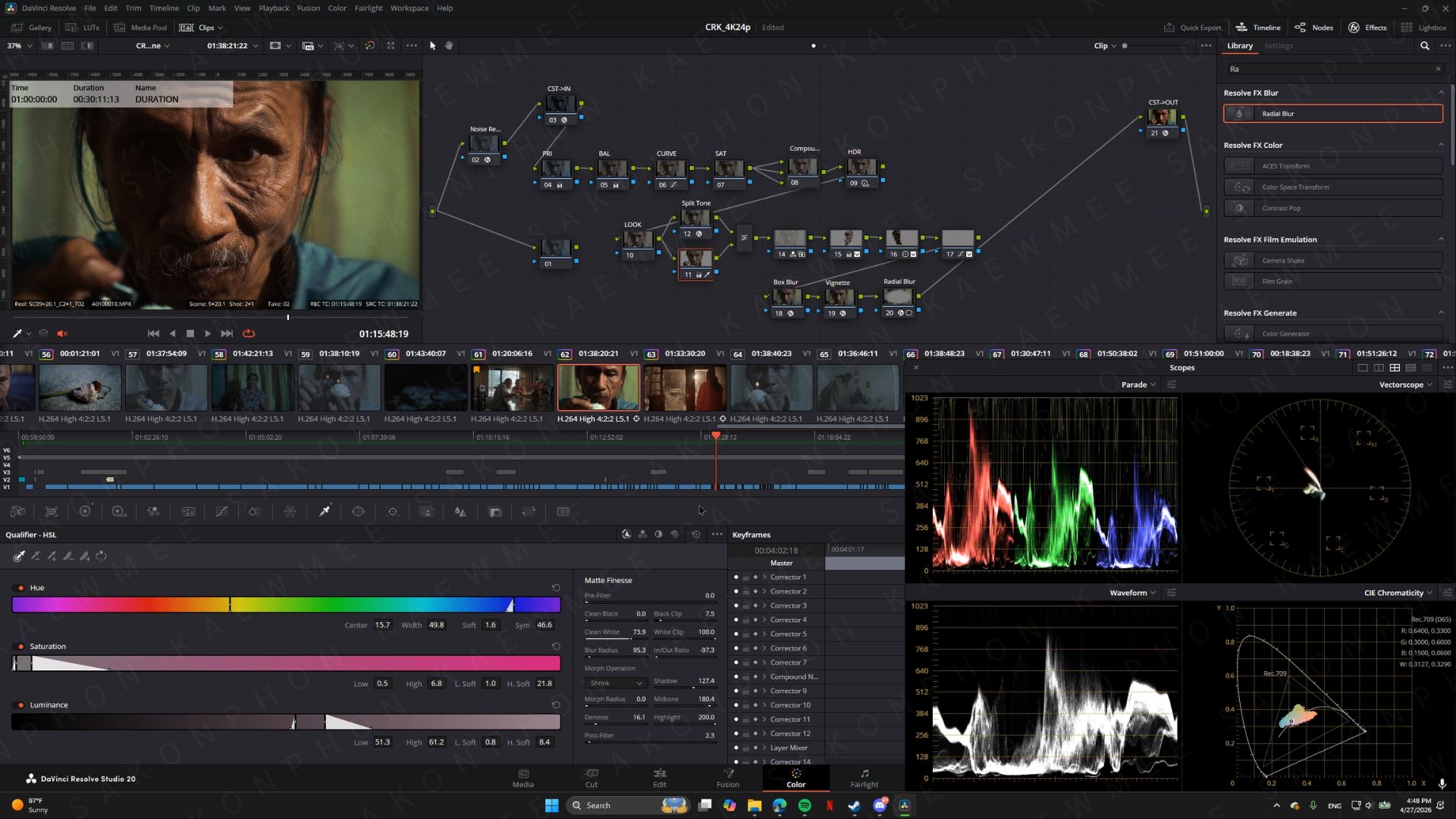
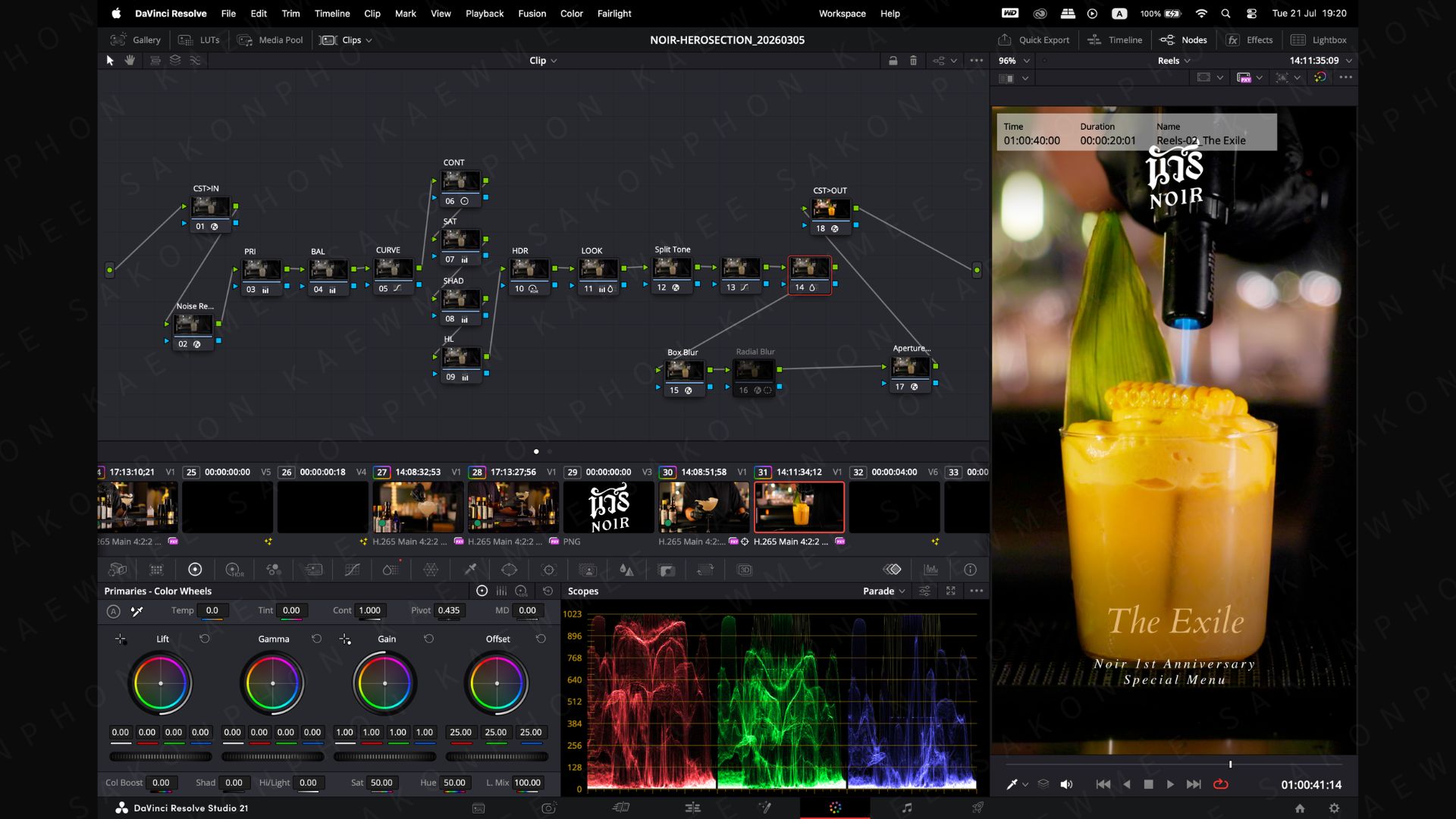
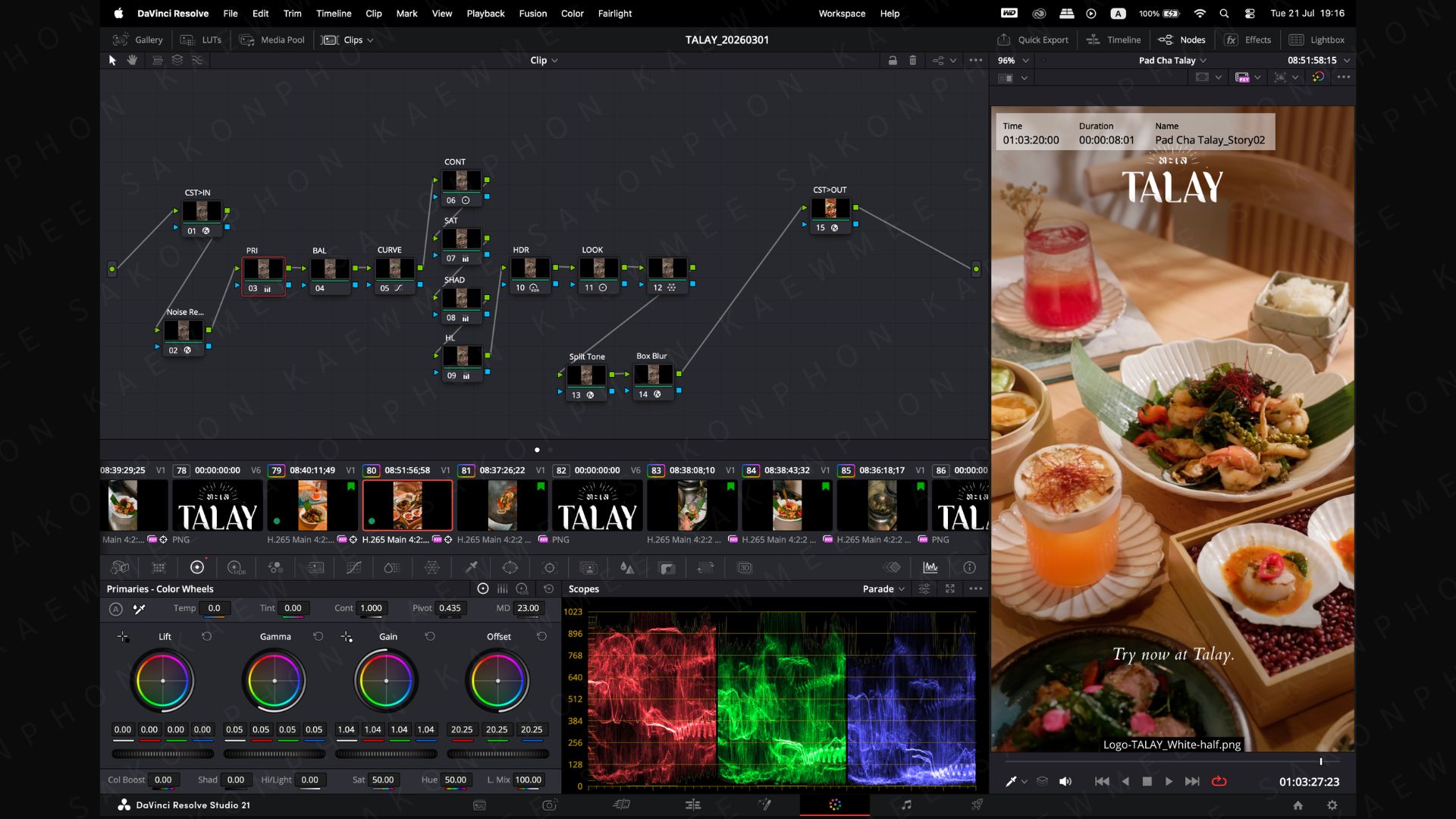
Also included are selected glimpses of editing timelines and color grading workflows that can be shared. Every project is approached with delicately, attention to detail, efficiency, and a workflow adjustable to its creative and technical goals.